The Cost of Living in Mount Rainier, Maryland
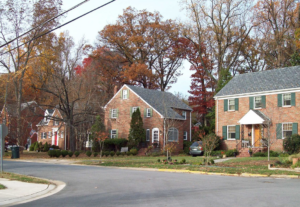
Nestled in Prince George’s County, Mount Rainier, Maryland, is a small city just outside Washington, D.C.. Known for its rich history, vibrant arts scene, and welcoming community, this charming area is appealing to families, young professionals, and retirees alike. With its tree-lined streets and close proximity to the nation’s capital, Mount Rainier offers the perfect balance between urban convenience and suburban tranquility. Whether you’re looking for a cozy neighborhood feel or easy access to big-city amenities, Mount Rainier might just be the ideal place to call home.
How Much Does Housing Cost in Mount Rainier, Maryland?
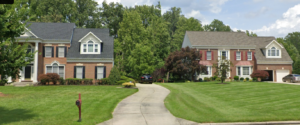
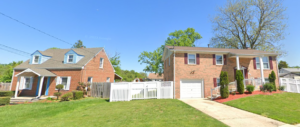
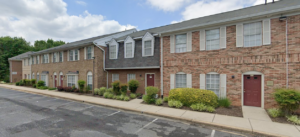
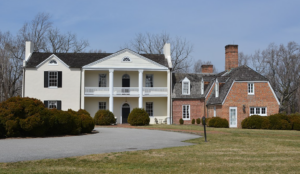
Housing in Mount Rainier varies depending on the type of home and neighborhood. The average price for a single-family home is around $450,000, while townhomes are slightly more affordable, averaging about $400,000. Condos and apartment-style properties are generally the most budget-friendly, ranging from $200,000 to $300,000 on average.
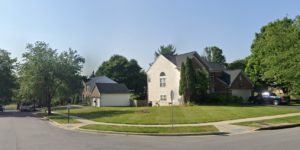
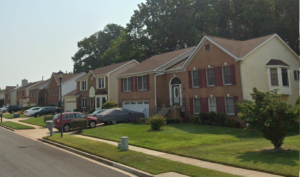
Some neighborhoods, like the historic downtown area, tend to have higher property values due to their proximity to local attractions and amenities. Suburban-style neighborhoods farther from the town center often come with more affordable price tags. The real estate market in Mount Rainier has seen steady growth in recent years, making it a solid investment for homebuyers.
For more information on the housing market in Maryland, check out Maryland Realtors.
How Much Does It Cost to Rent in Mount Rainier, Maryland?
If you’re looking to rent, Mount Rainier offers options at a variety of price points. A one-bedroom apartment rents for about $1,500 per month, while two-bedroom apartments average $2,000 per month. Larger single-family homes or townhomes for rent can range from $2,500 to $3,500 per month, making them ideal for families or those who need more space.
The neighborhoods close to Rhode Island Avenue or near the Gateway Arts District are particularly popular, but they may come with higher rental prices due to their desirable location. Over the past few years, rental costs in Mount Rainier have increased slightly, reflecting the growing demand for homes in this sought-after community.
What Are the Utility Costs in Mount Rainier, Maryland?
Utility bills in Mount Rainier are generally in line with the national average. Here’s a quick breakdown of what you can expect to pay each month:
- Electricity: $100–$150, provided by Pepco (https://www.pepco.com/).
- Gas: $50–$100, depending on seasonal usage, with service from Washington Gas (https://www.washingtongas.com/).
- Water and Sewage: Around $75–$100, serviced by WSSC Water (https://www.wsscwater.com/).
- Internet: Plans typically range from $50–$100, with providers like Xfinity (https://www.xfinity.com/) or Verizon (https://www.verizon.com/home/).
If you'd like more details on local utility providers, visit the Maryland Public Service Commission.
What Are the Taxes Like in Mount Rainier, Maryland?
In Mount Rainier, property tax rates are approximately 1.29% of a home’s assessed value. The state imposes an income tax rate between 4.75% and 6%, depending on your earnings. Additionally, Maryland has a 6% sales tax for most purchases.
For more information on taxes and assessments in Maryland, visit the Maryland Department of Assessments and Taxation.
What Are the Transportation Costs in Mount Rainier, Maryland?
Mount Rainier has excellent transportation options, making it a convenient place to live. The WMATA Metro system is easily accessible, with stations like West Hyattsville and Rhode Island Avenue nearby. A one-way metro ride costs around $2.00–$5.00, depending on the distance, while unlimited monthly passes are available for $64–$80.
If you prefer to drive, gas prices in the area average $3.85 per gallon, though rates fluctuate. The average car insurance premium in the state is about $1,200 annually. Typical commuting times from Mount Rainier to Washington, D.C. are around 20–30 minutes, making it ideal for those who work in the city.
How Much Do Groceries and Dining Out Cost in Mount Rainier?
Grocery costs in Mount Rainier are reasonable. A typical family spends about $300–$500 per month on groceries, depending on household size. Dining out is also affordable, with casual meals at local restaurants averaging $12–$20 per person. Fast-food meals are even cheaper, usually costing around $8–$12.
What Are the Entertainment and Leisure Costs in Mount Rainier, Maryland?
In Mount Rainier, staying active and entertained won’t break the bank. Gym memberships typically cost around $30–$50 per month, while specialized fitness classes like yoga or pilates are about $15–$25 per session.
Local events, such as art festivals or community gatherings, are often free or have minimal costs. There are also charming attractions, like hiking trails and the nearby Gateway Arts District, which offer plenty of low-cost entertainment options.
Frequently Asked Questions About the Cost of Living in Mount Rainier, Maryland
Q: Is Mount Rainier, Maryland an affordable place to live?
A: Mount Rainier offers a mix of affordability and convenience. While housing prices may be higher than in smaller towns, the area provides excellent amenities and proximity to Washington, D.C., making it a great value for the cost.
Q: What is a good salary to live in Mount Rainier, Maryland?
A: To live comfortably in Mount Rainier, a salary of at least $70,000–$90,000 is recommended, depending on housing costs and family size.
Q: How does the cost of living in Mount Rainier, Maryland compare to other cities?
A: Compared to larger nearby cities like Washington, D.C., Mount Rainier is more affordable. However, it is slightly more expensive than other cities in Prince George’s County.
Q: What is the most expensive neighborhood in Mount Rainier, Maryland?
A: The downtown area near the Gateway Arts District is the priciest, with higher home values and rental rates due to its desirable location.
Q: What is the cheapest neighborhood in Mount Rainier, Maryland?
A: Suburban-style neighborhoods farther from the town center tend to be the most affordable, offering lower housing costs without sacrificing the convenience of nearby amenities.